 Exploring
For most people, the self-contained composting toilet is the best pick — proven, waterless, and easy to live with. For a hands-off experience, the Origin 12V electric model mixes automatically. For tight vans, the Cuddy composting toilet is the most compact.
How We Picked
We focused on urine-diverting composting toilets with effective odor control, sturdy build, manageable emptying, and a footprint that fits real off-grid spaces. None need water or plumbing. For drinking water off-grid, see our gravity water filter guide.
1. Best Overall: Self-Contained Composting Toilet (Close Quarters)
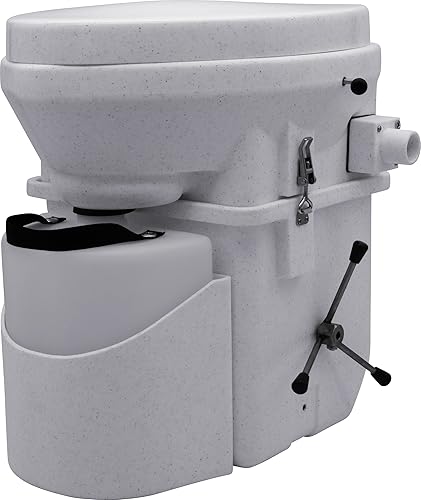
Self-Contained Composting Toilet (Close Quarters)
Self-Contained Composting Toilet
- Urine-diverting design for low odor
- Completely waterless and tankless
- Hand-crank agitator for composting
- Compact 'close quarters' footprint
- Best-rated composter here, 4.5★
Why we picked it: This self-contained composting toilet is the off-grid benchmark — urine diversion keeps odor down, the crank agitator handles composting, and it needs no water or plumbing at all. The dependable choice for a cabin or van. Best all-around composting toilet.
2. Best Electric: Origin Composting Toilet (12V Electric Agitator)

Origin Composting Toilet (12V Electric Agitator)
Origin
- 12V electric agitator mixes for you
- Urine separation for odor control
- Built-in ventilation fan
- Waterless and tankless operation
- Hands-off design, 4.1★ rating
Why we picked it: The Origin adds a 12V electric agitator and fan, so the composting and venting happen automatically — less manual cranking, more set-and-forget. A good fit for a van or cabin with 12V power. Best electric composting toilet.
3. Best Compact: Cuddy Composting Toilet (Odorless, Waterless)

Cuddy Composting Toilet (Odorless, Waterless)
Cuddy
- Compact design for vans and small cabins
- Urine diversion for odor control
- Waterless, no plumbing needed
- Removable bins for easy emptying
- Van-life favorite, 4.0★
Why we picked it: The Cuddy is built for tight spaces — a smaller footprint that still does everything a composting toilet should, which is why it's popular in van builds and tiny homes. Best compact composting toilet.
Comparison Table
| Pick | Toilet | Agitator | Power | Best for |
|---|---|---|---|---|
| Best Overall | Self-Contained Composter | Hand crank | None needed | Cabins & vans |
| Best Electric | Origin 12V Composter | 12V electric | 12V | Hands-off use |
| Best Compact | Cuddy Composter | Manual | None needed | Small vans |
Self-Contained vs Central vs Urine-Diverting: Which Design Fits
"Composting toilet" covers three quite different machines, and choosing the wrong type is the usual cause of the smell and capacity complaints that follow.
| Type | How it works | Best for | Emptying |
|---|---|---|---|
| Self-contained, urine-diverting (all three picks here) | Liquids to a front bottle, solids to a medium-filled bin with a hand or 12V agitator | Cabins, vans, RVs, tiny homes; 1–4 people | Bottle every 2–4 days; solids bin every 3–8 weeks |
| Self-contained, mixed (older designs) | Everything into one chamber with a heater and fan to evaporate liquid | Seasonal cabins with mains power | Chamber every few weeks; needs power to keep up |
| Central / remote composter | Toilet upstairs, large composting chamber in a basement or below deck | Full-time homes, several people | Finished compost once or twice a year |
Urine diversion is what makes a modern composting toilet work without smell: separated, dry solids do not rot, they dry and slowly compost. Mixed-chamber designs depend on a heater to drive off the liquid and struggle when the toilet is used by more people than they are rated for. For a full-time family, a central system is the only design that keeps up; for everyone else, a urine-diverting self-contained unit is the right choice.
Living With a Composting Toilet: Medium, Emptying and Venting
Medium. Coconut coir is the standard — a compressed brick expands with water into a moist, fluffy fill that absorbs and covers. Peat moss works but is less sustainable; fine pine shavings and sawdust work in a pinch. Start with the bin about a third full and moist, not wet. Too dry and it does not absorb; too wet and it smells.
Emptying rhythm. A couple in a van empties the liquids bottle every two to three days and the solids bin every four to six weeks. A cabin with weekend use goes months. Solids come out looking like dry soil with no odour if the medium was managed; bag it and put it in household trash where local rules allow, or finish it in a dedicated outdoor compost bin for a year before using on ornamentals. Never on food crops.
Venting. The 12V fan and vent hose are not optional. They pull a constant slight draught through the bin, which is what keeps the bathroom smelling of nothing. Run the hose to outside through a wall or roof with a bug screen, keep it as short and straight as possible, and expect the fan to draw about 1–2W continuously — trivial on any battery system. The Origin's agitator adds a brief draw only when used.
Cleaning. A spray bottle of water with a splash of vinegar for the bowl; no bleach, which kills the composting biology. Rinse the liquids bottle with water and a little vinegar each time you empty it to prevent scale.
Cold weather. Composting slows below about 55°F but the toilet keeps working — solids simply dry rather than compost. The only winter issue is a liquids bottle freezing in an unheated van; empty it more often.
Permits: Local rules vary. Many rural counties accept a composting toilet as the primary fixture with a greywater plan; some require a conventional septic connection regardless. Check before building around one — and see our guide to how composting toilets work for the biology.
What to Look For
Urine diversion. Separating liquids from solids is the secret to a low-odor composting toilet — make sure the model does it.
Capacity & emptying. Check how many uses before emptying and how easy the bins are to remove and clean.
Ventilation. A vent fan (often 12V) keeps air moving and odor down, especially in a closed van or cabin.
Footprint. Measure your space — composting toilets are bulkier than a portable potty, so fit matters in a van.
Bottom Line: Which Should You Buy?
For most people: the Self-Contained Composter. Proven, waterless, low odor.
For hands-off use: the Origin 12V Composter. Electric agitator and fan.
For tight spaces: the Cuddy Composter. Compact van-friendly build.
Made up your mind?
Each pick opens on Amazon, where the current price and stock are listed.
Frequently Asked Questions
What is the best composting toilet in 2026?
The Self-Contained Composter is our best overall pick for 2026. The Origin 12V Composter and the Cuddy Composter cover the other cases this guide compares. See the comparison table below for specifications and owner ratings, then choose the one that matches your setup.
How does a composting toilet work?
It separates urine from solids and mixes the solids with a dry medium (like coco coir) so they break down with little odor — no water, sewer, or holding tank required.
Do composting toilets smell?
Properly used, very little — urine diversion and a vent fan keep odor down. Most owners say a composting toilet smells less than a holding-tank portable toilet.
How often do you empty a composting toilet?
The solids bin typically lasts a few weeks for one or two people; the urine bottle is emptied every day or two. Capacity varies by model and use.
Are composting toilets legal?
Rules vary by location — many areas allow them, especially for RVs, vans, and off-grid cabins, but check your local and state regulations before installing.
Do composting toilets need power?
Not necessarily — manual models work with no power, while electric versions use 12V for an agitator and vent fan, which suits a solar-powered off-grid setup.
How do you dispose of composting toilet waste?
Liquids are diluted and poured on non-food plants or into a septic or sewer connection. Solids, after several weeks in the medium, come out as dry, odourless material that can be bagged and placed in household trash where local rules allow, or finished in a dedicated compost bin for a year and used on ornamental plants. Never use it on food crops.
What is the best medium for a composting toilet?
Coconut coir — a compressed brick expanded with water into a moist, fluffy fill. It absorbs well, controls odour and is widely available. Peat moss and fine pine shavings also work. Start each bin about a third full with medium that is damp but not wet, and add a handful every few days if the contents look wet.
Keep reading


How this guide was put together
We shortlist from manufacturer spec sheets and manuals, confirm each listing is live on Amazon, and give owner reports from months of use more weight than first-week impressions. Capacity, dimensions, and power needs vary by listing — confirm the current details and your local regulations before buying.
Note: Check local regulations before installing a composting toilet. Compost the solids and dispose of waste according to local rules, wash hands thoroughly after emptying, and vent the unit to keep air fresh.