 Exploring
The Zoeller M53 Mighty-mate is the best sump pump for most basements — the cast-iron standard plumbers install by default. The Wayne CDU790 matches it with a vertical float built for narrow pits, and the Aquastrong 1 HP moves the most water per dollar.
How We Picked
We compared motor construction (cast iron vs. thermoplastic), float-switch design, gallons-per-hour at realistic head heights, and long-term owner reliability reports across submersible sump pumps. Water management is a system: where the water goes next matters, so see our rainwater collection and water storage tank guides, and our solar well pump picks for moving water where grid power is thin.
1. Best Overall: Zoeller M53 Mighty-mate Submersible Sump Pump
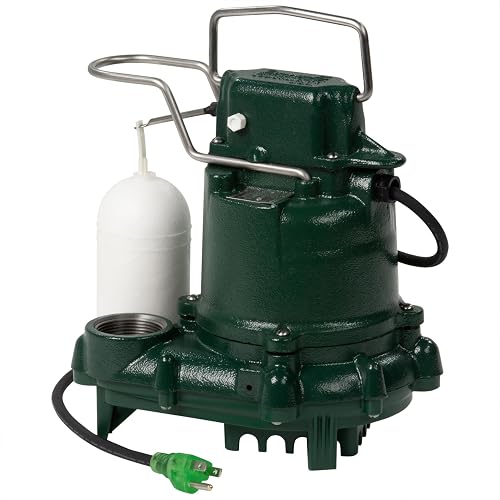
Zoeller M53 Mighty-mate Submersible Sump Pump
Zoeller
- Cast-iron housing sheds heat for long continuous runs
- 1/3 HP moves ~2,580 GPH at 5 ft of head
- Proven vertical float switch design
- The brand plumbers install by default
- 4.7★ from 3,200+ owners
Why we picked it: Ask a plumber what sump pump to buy and the answer is usually one word: Zoeller. The M53's cast-iron body wicks motor heat into the surrounding water so it survives the long, repeated cycles a wet spring demands, and its float switch design has decades of field history behind it. At 4.7 stars across thousands of owners, it's the closest thing the category has to a sure bet — the best sump pump for most homes, full stop.
2. Best for Narrow Pits: Wayne CDU790 Submersible Sump Pump

Wayne CDU790 Submersible Sump Pump
Wayne
- Cast iron + stainless steel construction
- Integrated vertical float works in pits as narrow as 11"
- Up to 4,600 GPH at 0 ft head
- Top-suction design resists clogging from pit debris
- 4.7★ from 2,300+ owners
Why we picked it: The Wayne CDU790 solves the two problems that kill sump pumps: tight pits that jam tethered floats, and debris that clogs bottom intakes. Its integrated vertical float needs almost no clearance, and the top-suction inlet pulls water from above the silt layer. Owners rate it identically to the Zoeller — if your sump basin is narrow or your pit runs dirty, this is the pick.
3. Best Value High-Flow: Aquastrong 1 HP Submersible Sump Pump
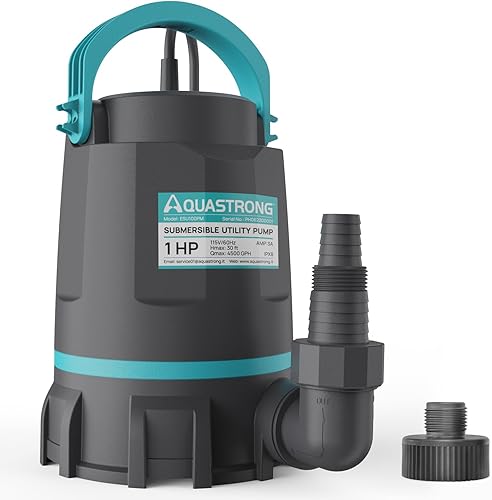
Aquastrong 1 HP Submersible Sump Pump
Aquastrong
- Full 1 HP motor moves up to 4,500 GPH
- Doubles as a utility pump for flooded areas and stock tanks
- Thermoplastic body keeps weight and price down
- Automatic float switch with manual override
- 4.4★ from 3,200+ owners
Why we picked it: For homesteads that need one pump to do many jobs — sump duty in the spring, draining a stock tank in the fall, emptying a flooded outbuilding after a storm — the Aquastrong's 1 HP motor and portable thermoplastic build make it the utility player. It won't outlive the cast-iron pumps above in 24/7 pit duty, but at its price, thousands of owners consider that a fair trade.
Comparison Table
| Pick | Pump | Power | Flow | Best for |
|---|---|---|---|---|
| Best Overall | Zoeller M53 | 1/3 HP | ~2,580 GPH @ 5 ft | Primary basement duty |
| Best for Narrow Pits | Wayne CDU790 | 1/3 HP | Up to 4,600 GPH | Tight or debris-prone basins |
| Best Value High-Flow | Aquastrong 1 HP | 1 HP | Up to 4,500 GPH | Multi-use homestead pumping |
What to Look For in a Sump Pump
Cast iron vs. thermoplastic. A cast-iron submersible sump pump transfers motor heat into the water around it, which is what lets it run near-continuously through a week of rain. Thermoplastic pumps cost and weigh less — fine for intermittent duty and portable jobs, riskier as the sole line of defense under a house that floods.
Float switch design. The switch fails before the motor does on most pumps. Vertical floats (both cast-iron picks above) work in narrow sump pump basins; tethered floats need a wide pit to swing freely. Whatever you buy, test the float by filling the pit a couple of times a year.
Real-world flow, not headline flow. Makers quote gallons per hour at zero feet of lift. Your pump pushes water up 8–10 feet and through a check valve, which can cut headline flow nearly in half — compare GPH at 5 or 10 feet of head, which the better spec sheets list.
Check valve and battery backup. A sump pump check valve stops the discharge column from draining back and short-cycling the motor — a cheap fitting that doubles pump life. And since the storms that flood basements also cut power, a sump pump battery backup (or a generator-fed circuit — see our portable generator guide) is the difference between a system and a single point of failure.
Bottom Line: Which Should You Buy?
For most basements: the Zoeller M53 Mighty-mate. The cast-iron default for a reason.
For narrow or dirty pits: the Wayne CDU790. Vertical float and top suction shrug off tight basins.
For all-around homestead duty: the Aquastrong 1 HP. Serious flow that moonlights as a utility pump.
Ready to buy?
Jump straight to our top picks on Amazon — prices shown at click-through.
Frequently Asked Questions
What is the best sump pump in 2026?
The Zoeller M53 is our best overall pick for 2026. The Wayne CDU790 and the Aquastrong 1 HP cover the other cases this guide compares. See the comparison table below for specifications and owner ratings, then choose the one that matches your setup.
What is a sump pump and how does it work?
A sump pump sits in a basin (the sump) at the lowest point of a basement or crawl space. Groundwater drains into the basin; when the water lifts the float switch, the pump kicks on and pushes the water through a discharge pipe away from the foundation, then shuts off as the level drops. It's automatic flood control for the price of a power tool.
What size sump pump do I need?
A 1/3 HP pump like the Zoeller M53 handles the majority of homes with normal groundwater. Step up to 1/2–1 HP if your pit refills fast during storms, your discharge lifts water more than 10 feet, or you're draining a wide footprint. Oversizing slightly is cheap insurance; short-cycling from a grossly oversized pump is the only real downside.
Do I need a battery backup for my sump pump?
If a flooded basement would cost you real money, yes — the same storms that flood basements knock out power. Options are a dedicated battery-backup pump, an inverter/battery bank, or a transfer-switch generator circuit. At minimum, know your plan for a multi-day outage during wet season.
Why does my sump pump run every few minutes?
Usually a missing or failed check valve letting the discharge column drain back into the pit, a float set too low, or genuinely high groundwater. Fit a check valve first — it's the cheapest fix and protects the motor from short-cycling wear.
How long do sump pumps last?
Cast-iron pumps like the Zoeller and Wayne routinely serve 7–10+ years; thermoplastic pumps in heavy duty are closer to 3–5. Test twice a year by filling the pit, and replace proactively once a primary pump passes the decade mark — they rarely announce retirement politely.
Related Guides


How We Research
Picks are based on manufacturer specifications, current Amazon availability, and patterns across verified owner reviews. Flow figures are manufacturer ratings at stated head heights — confirm current details at the retailer before buying.
Safety note: Sump pumps belong on a GFCI-protected dedicated circuit — water and electricity share a pit here. Never enter standing water in a basement until power to the area is off at the panel.