 Exploring
A grey water system reuses water from showers, bathroom sinks and the washing machine to irrigate plants, sending it through pipes into mulch basins around trees and shrubs. Toilet water is never grey water, and most simple systems exclude kitchen water too. The easiest setups are laundry-to-landscape (the washer's own pump does the work) and a gravity branched drain from the shower. Don't store grey water for more than a day, keep it out of sprinklers and root crops, and check local rules first.
What Is a Grey Water System?
Household waste water comes in two kinds. Black water is from toilets and has to go to a septic system or a composting toilet. Grey water is everything else from washing: showers, baths, bathroom sinks and the washing machine. It contains soap, skin, hair and lint, but far fewer pathogens than toilet waste, and plants and soil microbes break it down quickly.
A grey water system is simply the plumbing that separates that water and sends it outside to irrigate plants instead of down the sewer or septic line. The best systems are also the simplest: no storage tank, no filter, no pump — just pipe, gravity and mulch.
| Source | Grey water? | Use in a simple system? |
|---|---|---|
| Shower and bath | Yes | Yes — the best source |
| Bathroom sink | Yes | Yes |
| Washing machine | Yes | Yes — easiest to divert (laundry-to-landscape) |
| Kitchen sink and dishwasher | Often called "dark grey" | Usually no — grease and food solids clog basins; many codes exclude it |
| Toilet | No — black water | Never |
| Water from washing diapers or infectious laundry | Treat as black water | No — divert to septic |
Why Use Grey Water Off-Grid?
It stretches the water supply. Showers and laundry make up a large share of household water use. Reusing it on fruit trees and ornamental beds means the well pump or rainwater tank supplies less irrigation water in the dry months.
It takes load off the septic system. Every gallon that goes to a mulch basin is a gallon the septic tank and drain field do not have to treat — useful on a small or older system, and on a property with a composting toilet it may mean the house needs only a small system for kitchen water.
It saves pumping energy. On a solar-powered well, every gallon you do not pump is energy saved. A gravity grey water system uses no power at all.
Types of Grey Water Systems
Laundry-to-landscape. The simplest system and the one to start with. The washing machine already has a pump, so its discharge hose is connected to a three-way diverter valve, and from there to a 1-inch irrigation line that runs to mulch basins around trees and shrubs. No cutting into house drains, no pump to buy. Many areas allow this without a permit when it follows basic rules.
Branched drain. Water from a shower or bathroom sink flows by gravity through 1.5-inch pipe that splits with double-ell fittings into several branches, each ending in a mulch basin. It needs the house to be higher than the planting area, and careful slope, but once built it has no moving parts.
Drum or surge-tank system. A 55-gallon drum catches the water and releases it through a hose to the garden, either by gravity or with a small pump. A 55 gallon drum grey water system is popular for DIY builds, but the drum must drain within 24 hours and is only a surge buffer, not storage — grey water left sitting turns anaerobic and smelly quickly.
Constructed wetland or filter systems. Larger engineered systems that treat grey water through gravel and plants, or pumped systems with filters for drip irrigation. They handle more water and can include kitchen water, but they cost more, need maintenance and almost always need a permit and a designer.
Start with the washing machine: If you are new to grey water, laundry-to-landscape is the best first project: it uses the washer's own pump, needs no changes to the house drains, and can be switched back to the septic line with one valve.
How to Set Up a Simple Laundry-to-Landscape System
This is the outline of a typical DIY grey water system from a washing machine. Details vary by site and local rules.
1. Plan the landscape first. Pick established trees, shrubs, berry bushes or perennials within reach of the laundry — ideally slightly downhill. Each needs a mulch basin. Lawns and vegetable root crops are not suitable.
2. Fit a three-way diverter valve. Connect the washer discharge hose to a labelled three-way valve so you can send water either to the grey water line or back to the normal drain — for rainy months, freezing weather, or when washing something you would not want on the garden.
3. Run the irrigation line. From the valve, run 1-inch HDPE or poly tubing out through the wall to the planting area. Add a vacuum breaker at the high point so the washer cannot siphon.
4. Build mulch basins. Dig a shallow basin around each plant's drip line and fill it with wood chips or bark. Each outlet discharges into the mulch, under a cover, so the water soaks in and is never exposed on the surface.
5. Balance the outlets. Put a valve or outlet at each basin and check that water reaches all of them. The washer pump can typically push water to several basins on level ground.
6. Switch to plant-friendly detergent. Avoid detergents with boron, sodium-based powders, bleach and softeners. Liquid detergents labelled as grey-water safe are the easiest choice.
Grey Water Rules and Safety
Grey water regulations vary widely by state and county, from no rules at all to permits for any system. The common design rules below come from the codes of states that encourage grey water reuse, and they are sensible even where there is no rule.
| Rule | Why |
|---|---|
| Discharge under at least 2 inches of mulch, rock or soil | Keeps people and pets out of contact with the water |
| No sprinklers, spray or ponding | Avoids aerosols and standing water that breeds mosquitoes |
| Do not store grey water more than 24 hours | It turns anaerobic and smelly quickly |
| No root crops or edibles that touch the soil | Keeps soap and pathogens off food |
| Stay 100 ft from wells, streams and wetlands | Protects drinking water |
| Keep outlets away from buildings and property lines | Prevents foundation damp and runoff to neighbours |
| Include a diverter to the septic or sewer | For rain, frost and when water is not suitable |
| Groundwater at least 3 ft below the discharge | Gives soil time to treat the water |
Soil does the treating. Healthy mulch and topsoil are full of microbes that break down soap and organic matter within hours. That is why the water must go into mulch rather than onto the surface, and why the basin should be sized so it soaks in without pooling.
Check before you build. Contact your county environmental health or building department. Many allow a laundry-to-landscape system with no permit; branched drains and anything that alters house plumbing often need one.
Grey Water for Cabins, RVs and Composting-Toilet Setups
Cabins without septic. A cabin with a composting toilet and no septic system still produces grey water from a sink and shower. A simple branched drain to mulch basins — or, where allowed, a small infiltration pit — is the usual solution. Check local rules, since some counties still require a septic system for any dwelling.
Portable hand washing stations. The waste tank in a portable hand washing station is grey water. Pour it onto a mulched bed away from wells, and use a plant-friendly soap.
Camp showers and shower tents. Water from a camping shower in a shower tent should drain onto mulch or a gravel pad rather than pooling on bare ground, and at least 200 feet from lakes and streams on public land.
RV grey tanks. An RV's grey tank holds water that has sat for days and often includes kitchen water. Dump it at a proper station or into a septic system rather than onto the ground.
Gear We Recommend
These guides cover the equipment that pairs with a grey water setup on an off-grid property.
- Best Portable Washing Machines for Off-Grid Living (2026) — compact washers whose pump can feed a laundry-to-landscape line
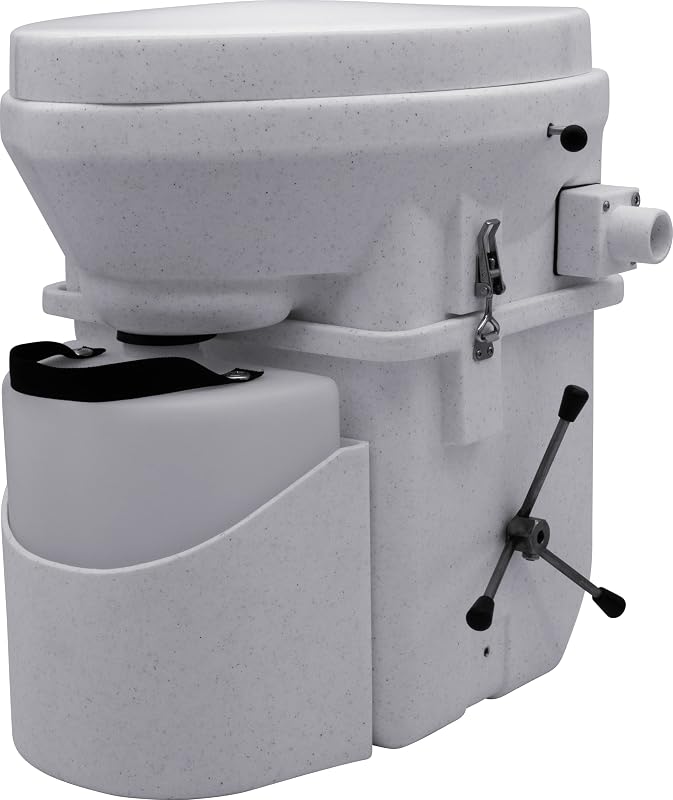
- Best Composting Toilets for Off-Grid (2026) — waterless toilets that keep black water out of the picture entirely
- Best Portable Hand Washing Stations for 2026 (Foot Pump & Hot Water) — self-contained sinks with a grey-water tank for outhouses and gardens
- Best Rainwater Collection Systems & Rain Barrels for Off-Grid (2026) — the other half of stretching an off-grid water supply
- Best Water Storage Tanks & Containers for Emergencies (2026) — containers for fresh water storage — not for holding grey water
- Best Septic Tank Treatments to Protect Your System (2026) — for the septic system that still takes kitchen and diverted water
Frequently Asked Questions
What is a grey water system?
A system that collects lightly used water from showers, bathroom sinks and the washing machine and sends it outside to irrigate plants, usually through pipes into mulch basins around trees and shrubs, instead of down the drain to a septic system or sewer.
What is the difference between grey water and black water?
Black water comes from toilets and contains human waste; it must go to a septic system or composting toilet. Grey water comes from washing — showers, sinks and laundry — and can be reused for irrigation with basic precautions.
Can I store grey water in a tank or 55-gallon drum?
Only briefly. Grey water should be used within 24 hours; after that it turns anaerobic and starts to smell. A drum in a grey water system works as a surge tank that empties after each use, not as long-term storage.
Can I use grey water on a vegetable garden?
Not on root crops or plants whose edible parts touch the soil. Fruit trees, berry bushes and tall plants such as corn or tomatoes watered at the base through mulch are generally fine.
Do I need a permit for a grey water system?
It depends on where you live. Many areas allow a simple laundry-to-landscape system without a permit if it follows basic rules, while systems that modify house plumbing often need one. Check with your county before building.
What soap is safe for a grey water system?
Plant-friendly liquid soaps and detergents without boron, bleach, softeners or high sodium. Powdered detergents are often sodium-based and build up salt in the soil.
Keep reading

How this guide was put together
This guide draws on published grey water design guidelines from US states and water agencies that permit residential reuse, together with manufacturer documentation for the equipment involved. Rules vary by location, so treat the design points here as common practice rather than your local code.
Note: Grey water regulations differ by state and county. Check with your local environmental health or building department before building a system, keep all discharge at least 100 feet from wells and surface water, and never route toilet water into a grey water system.